
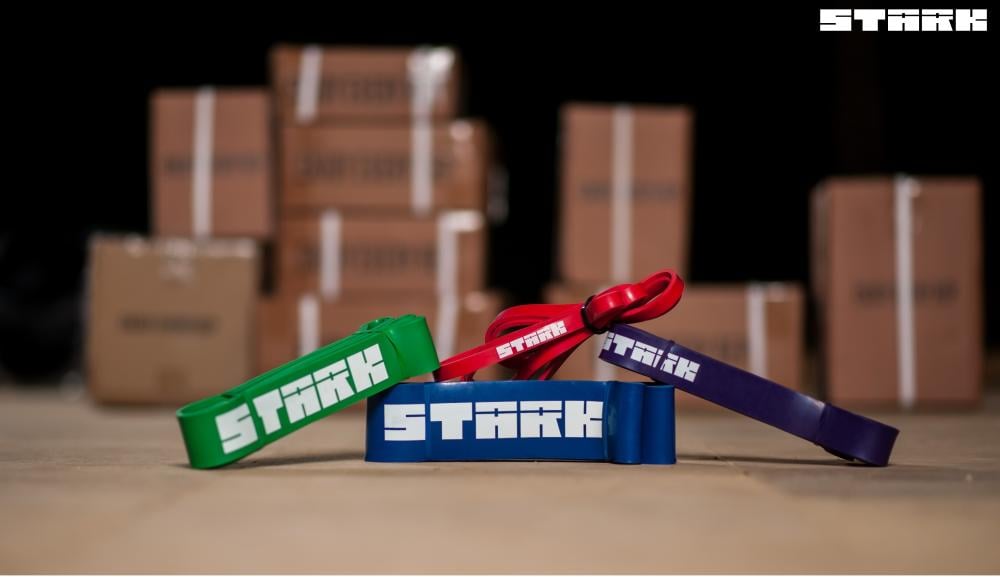
Resistance bands work by creating elastic resistance when stretched. As you pull, push, or stretch the band, it generates force that your muscles must overcome. The more you stretch the band, the greater the resistance becomes.
Unlike traditional weights, resistance bands provide variable resistance, meaning the challenge increases as the band stretches. This helps activate your muscles throughout different phases of an exercise, making resistance band training effective for building strength and endurance.
Benefits of Resistance Band Training
Using resistance bands offers several important fitness benefits:
- Build muscle strength: Resistance bands challenge your muscles and support muscle growth when combined with progressive training.
- Improve flexibility and mobility: They help increase your range of motion and support dynamic stretching exercises.
- Support joint-friendly workouts: Resistance bands provide a low-impact alternative to many traditional weight exercises.
- Enhance workout versatility: You can use them for strength training, rehabilitation exercises, warm-ups, and full-body workouts.
- Exercise anywhere: Lightweight and portable, resistance bands are ideal for home workouts, gym sessions, and travel fitness routines.
How to Use Resistance Bands Effectively
To get the best results, choose a resistance band that matches your fitness level and exercise goals. Start with lighter resistance, maintain proper form, and increase the challenge gradually as your strength improves.
Popular resistance band exercises include bicep curls, squats, shoulder presses, glute bridges, and lateral band walks. Combining these movements into a consistent workout routine can help improve overall strength, stability, and muscular endurance.
Always inspect your resistance bands for damage before exercising, and secure them properly to reduce the risk of injury.
Are Resistance Bands Effective for Building Muscle?
Yes! Resistance bands can build muscle when exercises provide enough challenge and you progressively increase resistance, repetitions, or training difficulty. While they may not completely replace heavy weights for every strength-training goal, they are an effective option for beginners, experienced athletes, and people looking for convenient home workouts.